Run clubs have gone from a Saturday-morning habit to one of the biggest things in fitness. Now they have software built just for them.
OPS Run launched last week, timed to Global Run Club Day. Club organisers use it to post runs, take sign-ups, message members and show off brand partners. They can also collect voluntary contributions and sell paid events. Runners use it to find a club near them and sign up.
More than 100 clubs in over 25 North American cities signed up before launch. One of the founding team, Sara Cathcart, runs the Alo and Equinox run clubs in Vancouver. Her co-founder, Matty Christopherson, joined 45 different New York run clubs in 30 days to see what organisers struggle with. Mostly it's admin: sign-ups, messages and keeping sponsors happy.
Look at the features. There's a slot for brand partners and a way to sell paid events. Brands already pay to be in front of these runners, which tells you the audience is worth something, even when the run itself is free.
How big is the run club boom?
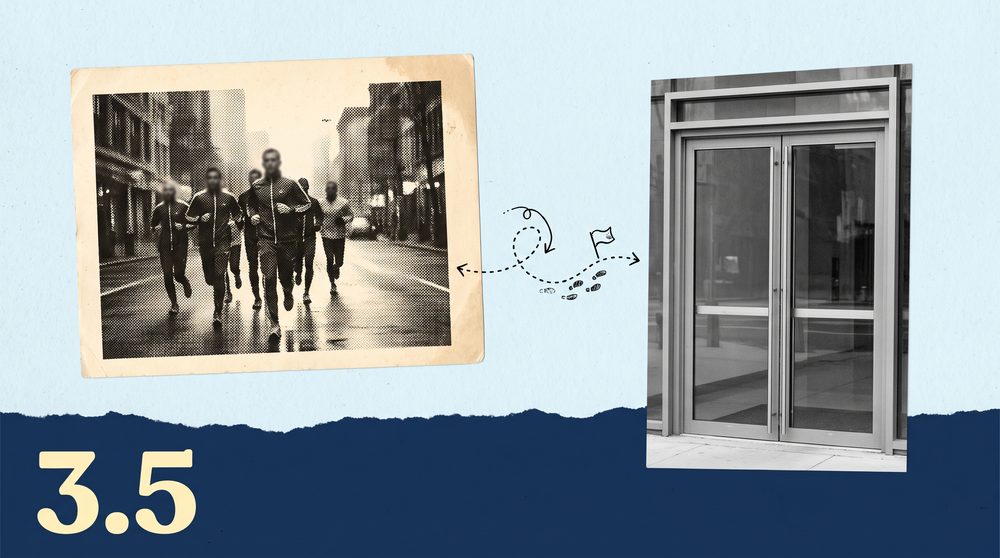
Big. Strava's 2025 Year in Sport report says the number of new clubs on its app nearly quadrupled last year, and it now hosts 1 million clubs. Running clubs grew 3.5 times. Hiking clubs grew even faster, at 5.8 times. Events run by clubs rose 1.5 times. And Strava found 39% more Gen Z than Gen X use fitness to meet people who share their interests.
That last number is the one to notice. Nobody needs a club to go for a run. They join for the people.
Are run clubs a threat to gyms and studios?
They compete for the same thing you sell: a reason to show up at a set time with people you know. A run club does it with no rent, no equipment and no fee, so you can't beat it on price. That same fact makes it the cheapest top of funnel (the stage where people first find you) a gym or studio can run. A club that meets at your door every week puts dozens of active local people at your front desk, and it costs them nothing to come.
| Run club | Your gym or studio | |
|---|---|---|
| Price to join | Free | A monthly membership |
| Rent and equipment | None | Your biggest costs |
| Why people come | The people | Coaching, equipment, classes |
| Where it's weak | Strength work, bad weather | Getting new people through the door |
What to do about it
The big brands are already doing this. Equinox and Alo both run their own clubs, and Life Time has started giving community away free to protect what it charges for membership.
For a gym or studio, the move is simple. Host a run club, or give a local one a home. Start and finish at your door. Offer water, a bathroom and somewhere to stretch. Then give runners a reason to come back inside, like a strength class for runners the next evening or a first session at a runner's price. Most runners know they should be doing strength work. You sell it.
Pick the right slot. Most clubs meet early on weekends or after work midweek. A 6:30pm Wednesday run that ends at your door, with 20 minutes of mobility work afterwards, is a class in all but name. And winter works in your favour. When it's dark and icy, a run club needs somewhere warm to meet. That can be you.
Nobody needs a club to go for a run. They join for the people.
The Run RateThen count what it's worth. Track how many club members book a paid class within 30 days. A free run that sends nobody inside is a nice thing for the neighbourhood. One that fills your Tuesday strength class is a way to find new members. It's the same test we used on Planet Fitness's free teen pass: count who pays, not who shows up.
Younger members already treat fitness as their social life. It's why Gen Z weighs the gym when picking where to live. A run club is where a lot of them will meet you first.
The run club doesn't need your building. Give it a reason to want it.